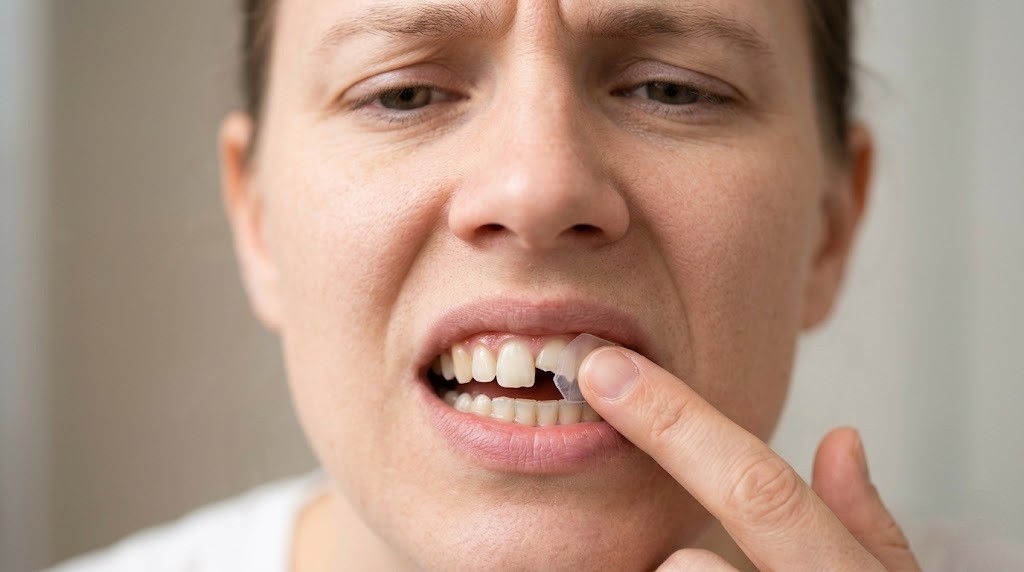
A cracked or chipped tooth can occur suddenly from, say, a fall, biting into something hard, or an injury. It’s a frequent dental emergency that can cause immediate discomfort and worry. Though it’s essential to visit a dentist as soon as possible, there are things you can do at home to manage the situation until your appointment. Taking action promptly can help reduce suffering and shield the affected tooth from additional injury.
Understanding how to manage a cracked or chipped tooth at home can be crucial in avoiding complications. And knowing first-aid steps, from swishing water in your mouth to using moulage dental material, can help you feel more in control. In this guide, we walk you through exactly how to act immediately before visiting your Greenacres emergency dentist.
How to Handle a Cracked or Chipped Tooth
When you realize that you’ve cracked or chipped a tooth, the first step is to stay calm. Although this type of dental emergency may be painful and alarming, prompt action can significantly affect the outcome. Here’s what to do right now:
Gargle in Warm Water
This cleans the area up from any debris that might be lodged in the crack or chip. Just be sure the water is neither too hot nor too cold, as extreme temperatures can exacerbate any pain.
Don’t Eat Hard or Hot Foods
Until you can get to your emergency dentist in Greenacres, it may be best to avoid eating hard, crunchy, or hot foods that could further damage the tooth or cause more pain. Eat only soft foods and don’t chew on the side with the cracked or chipped tooth.
Apply a Cold Compress
If the injury caused swelling or pain, a cold compress will help reduce both. Apply a cold pack, wrapped in a towel, to the outside of your cheek, near where the tooth is broken. This reduces swelling and numbs the area, providing temporary pain relief. Just don’t put ice directly on your skin, since it can cause frostbite.
Protect a Cracked Tooth with Dental Wax
If the tooth is sharp or jagged, it may be wise to cover it with dental wax or a temporary filling available at most pharmacies. This helps keep the jagged edges from slicing the inside of your mouth or tongue. If you also don’t have any dental wax, sugar-free gum can serve as a temporary fix.
Take Pain Relievers
For relieving pain associated with a cracked or chipped tooth, over-the-counter pain relievers such as ibuprofen or acetaminophen are helpful. Just be sure to follow dosage and frequency directions on the label.
Preserve the Tooth Fragment
If a piece of your tooth breaks off, save the fragment and bring it to your appointment. If it isn’t too badly damaged, your emergency dentist in Greenacres may be able to bond the piece back onto the tooth. So handle the fragment with care by placing it into a clean container, and keep your bare hands away from it.
What Can Your Emergency Dentist Do For You
After taking the necessary steps for first aid, it’s time to visit your emergency dentist. They will evaluate the damage and decide how to proceed. Your emergency dentist may offer one of the following treatments based on how severe the crack or chip is:
- Dental Bonding: For small chips or cracks, dental bonding can restore a tooth’s appearance and function. The damaged area is treated with a tooth-colored resin, which is then cured or hardened with a special light.
- Crown: A dental crown may be necessary to protect the remaining tooth structure and restore function if the damage is significant. Crowns are personalized and used to protect your tooth for the long haul.
- Root Canal: When the crack extends down to the tooth pulp, your dentist might perform a root canal procedure. In this process, infected tissue is removed to peel back more layers of damage on your teeth and ensure the safety of your oral health.
Here at Family Dentistry of Lake Worth, our team specializes in treating dental emergencies, such as chipped or cracked teeth, quickly and effectively. We focus on comfort and timely care. Doing this, you will get back to regularly smiling confidently with us.
When to Get Emergency Care?
Although minor chipping and cracking can usually be managed at home until your appointment, there are circumstances that warrant a trip to the emergency dentist. Don’t wait; call your emergency dentist immediately if you do experience any of the following:
- Intense pain that won’t go away with over-the-counter analgesics
- Excessive bleeding
- A big chunk of the tooth has broken off
- The crack goes deep into the tooth or towards the root
- Swelling or fever are signs of an infection.
Act Quickly: Save Your Cracked Tooth
If you find yourself with a cracked or chipped tooth, knowing how to manage it at home can help you avoid discomfort and further damage until you can make an appointment with your emergency dentist. Taking the proper first-aid steps also helps protect the tooth and keep the area clean, making your dental visit much more effective. Using a cold compress or preserving the tooth fragment is essential to reduce the injury’s ramifications.
If you have a cracked or chipped tooth, it’s important not to delay seeking treatment. At Family Dentistry of Lake Worth, we will deliver the quick, effective treatment that you need. Call us to book an appointment and start your journey to a restored smile!
Questions People Ask About Dental Emergency
1. How do I know if my tooth is cracked or just chipped?
A cracked tooth usually causes sharp pain when chewing or sensitivity to temperature. A chipped tooth may have visible damage but may not cause as much discomfort. Your dentist can determine the extent of the damage.
2. Can a cracked tooth heal on its own?
Unfortunately, a cracked tooth will not heal on its own. You will need professional care to prevent further damage, protect the tooth, and restore its function.
3. What should I do if the chip or crack is causing pain?
If pain occurs, take over-the-counter pain relievers such as ibuprofen. Apply a cold compress to the affected area and avoid using the tooth for chewing until you can see a dentist.
4. 4. Can I fix a chipped tooth at home?
While you can temporarily manage the pain and protect the tooth with dental wax or gum, only a dentist can properly repair a chipped tooth with treatments such as bonding or crowns.
5. How long can I wait before seeing a dentist for a cracked tooth?
It’s best to see a dentist as soon as possible to prevent further damage or infection. Delaying treatment could lead to complications, especially if the crack exposes the inner layers of the tooth.
6. Will my tooth ever look the same after it’s repaired?
In most cases, with proper treatment, a cracked or chipped tooth can be restored to its natural appearance and function. Dental bonding, crowns, and veneers can provide long-lasting results that blend seamlessly with your other teeth.