If your teeth are shifting, why waiting costs you more than money in Greenacres City is something every resident should understand. Many people assume a missing or loose tooth is a cosmetic problem. The truth is far more serious. Bone loss, bite collapse, and chronic chewing pain are all waiting just around the corner.
At Family Dentistry of Lake Worth, Dr. Ari Forman sees patients every week who delayed treatment and now face more complex — and more costly — care. This article walks you through the real warning signs. Understanding them now can save your smile and your savings later.
Warning Signs Your Teeth Are Already Shifting in Greenacres City
Shifting teeth do not happen overnight. They develop gradually, which makes them easy to ignore at first. By the time patients notice visible movement, significant damage may already exist beneath the gumline.
Here are the most common warning signs to watch for:
- Gaps appearing between teeth that were not there before
- A noticeable tilt or rotation in one or more teeth
- Your bite feels different when you close your mouth
- Teeth that feel loose or slightly mobile
- Food constantly getting stuck in new places
- Increased sensitivity in teeth near a gap
Each of these signs points to one root cause: your remaining teeth are compensating for a missing neighbor. They drift into open space. This triggers a chain reaction that affects your entire bite structure.
Do not wait for pain to confirm the problem. Shifting often happens without discomfort until the damage becomes advanced.
Bone Loss: The Hidden Cost of Waiting Too Long
When a tooth is lost, the jawbone beneath it begins to shrink. This process is called bone resorption. It starts within weeks of a tooth being removed or falling out.
The bone needs stimulation from tooth roots to maintain its density. Without that stimulation, your body reabsorbs the bone as unused tissue. Over months and years, significant volume is lost.
Why does this matter so much? Because bone loss creates a cascade of problems:
- Remaining teeth lose structural support and begin to loosen
- Facial shape changes as the jaw shrinks inward
- Dental implants become harder to place without bone grafting
- The cost and complexity of treatment increases dramatically
Dr. Forman uses advanced Dental Technology to assess bone density and map out the safest, most effective treatment plan. Early imaging catches bone loss before it reaches a point of no return.
Patients who act within the first year of tooth loss often have enough bone for straightforward implant placement. Those who wait five or more years frequently require additional procedures first.
Difficulty Chewing: When Your Body Tells You Something Is Wrong
Chewing difficulty is one of the most overlooked warning signs of advanced dental problems. Most people adapt by chewing on one side or avoiding hard foods entirely. That adaptation is a red flag, not a solution.
Uneven chewing puts excessive pressure on certain teeth. Over time, this accelerates wear and can crack teeth that were otherwise healthy. It also strains jaw joints, leading to headaches and facial pain.
Nutritional changes often follow. Patients begin avoiding raw vegetables, nuts, and lean proteins because they are too hard to chew comfortably. This affects overall health in ways that extend well beyond the mouth.
If you have changed your diet to accommodate a painful or missing tooth, that is a sign your mouth needs professional attention now. The longer the pattern continues, the more widespread the damage becomes.
How Gum Disease Accelerates the Problem
Shifting teeth and bone loss often occur alongside Gum Disease Treatment needs that patients have not yet addressed. Gum disease and tooth loss are deeply connected. One frequently triggers or worsens the other.
Bacteria thrive in the pockets created when teeth shift. Gum tissue pulls away from the tooth surface. Infection travels deeper, attacking the bone and connective tissue that hold teeth in place.
Untreated gum disease can cause additional tooth loss even in teeth that seem stable. Patients who already have one missing tooth and signs of gum disease are at especially high risk for further damage.
Treating gum disease is a critical first step before implants or other restorative work can begin. Skipping this step leads to implant failure and ongoing oral health complications.
Why Acting Now in Greenacres City Is the Smarter Choice
Patients often delay treatment hoping the situation will stabilize on its own. Unfortunately, dental problems involving bone loss and tooth movement do not resolve without intervention. They progress.
Early treatment is almost always simpler and less involved than late-stage care. A straightforward implant placed before significant bone loss occurs is very different from a case requiring bone grafting, extensive tissue management, and multiple procedures over many months.
At Family Dentistry of Lake Worth, Dr. Ari Forman takes a patient-centered approach to every case. The goal is never to pressure anyone into treatment. The goal is to give Greenacres City patients the information they need to make empowered decisions for their own health.
Waiting does not make treatment options go away. It narrows them and raises the stakes. Acting early keeps your options open and your outcomes better.
If you recognize the warning signs described here, the next step is a thorough exam and conversation with Dr. Forman. Understanding your current bone and gum health gives you a clear picture of what acting now — versus waiting — actually means for your smile. Book Now to schedule your appointment with our team.
Frequently Asked Questions
How quickly do teeth shift after a tooth is lost?
Teeth can begin shifting within weeks of a neighboring tooth being lost or extracted. The rate varies by individual, but movement is often measurable within the first few months. Early evaluation helps catch shifting before it causes significant structural problems.
Is bone loss reversible after teeth have shifted?
Minor bone loss can sometimes be addressed with bone grafting procedures before implant placement. However, severe bone loss is not fully reversible. Acting early — before extensive bone is lost — leads to far better outcomes and simpler treatment plans.
Can shifting teeth be corrected without implants?
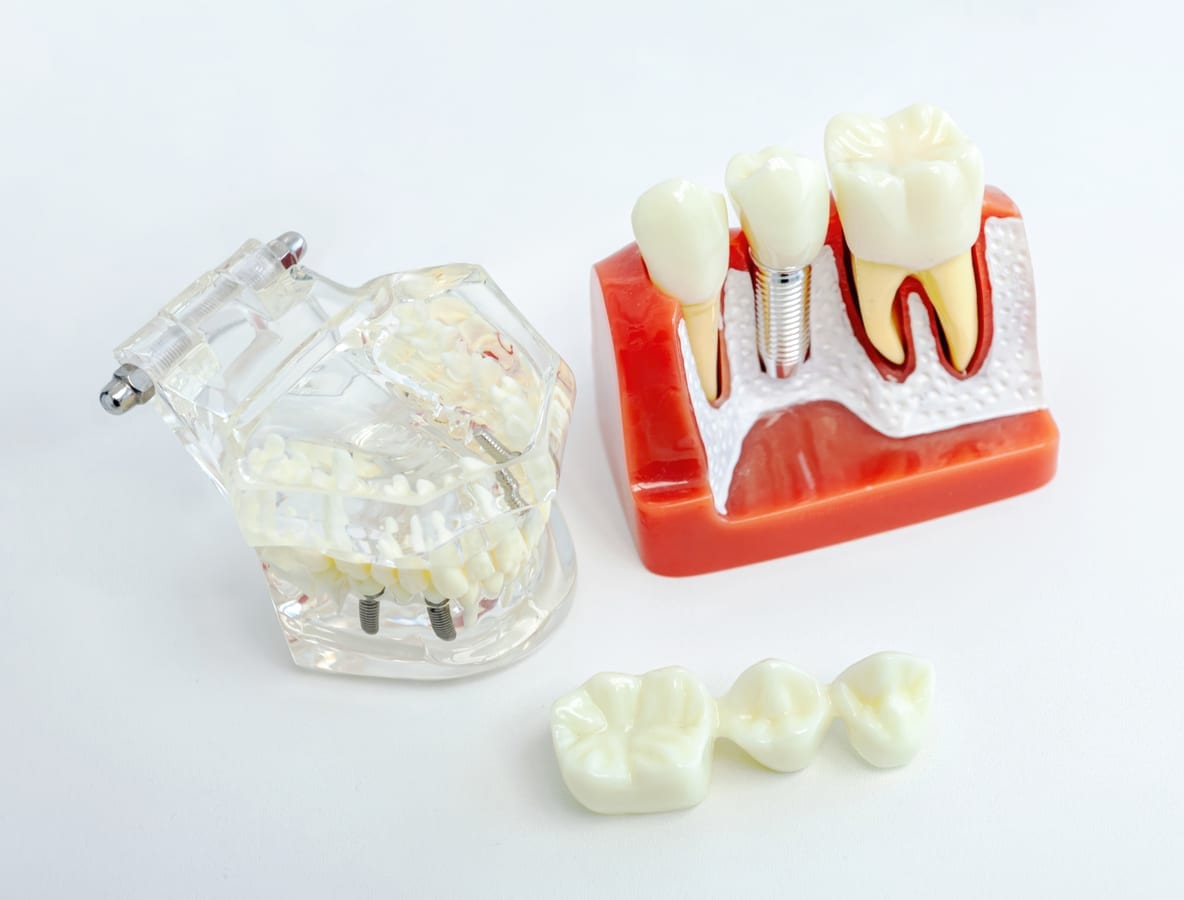
In some cases, other restorative options like bridges or partial dentures may address shifting. However, only dental implants replace the tooth root and stimulate the jawbone to prevent further bone loss. Dr. Forman evaluates each patient individually to recommend the most appropriate solution.
What are the first steps if I suspect my teeth are shifting?
Schedule a comprehensive dental exam as soon as possible. Dr. Forman will take X-rays to assess bone levels, evaluate gum health, and measure any movement. This appointment gives you a clear baseline and a plan before the situation advances further.
Does gum disease need to be treated before getting dental implants?
Yes. Active gum disease must be treated and stabilized before implants are placed. Placing implants in the presence of gum disease significantly increases the risk of implant failure and ongoing infection. Treating gum disease first protects your investment and ensures the best possible outcome.