Teeth Whitening Palm Springs: Professional vs At-Home Options
Your smile matters, especially during graduation and prom season here in Palm Springs. If you’re considering teeth whitening Palm Springs options, you’re not alone. Many patients ask about the best way to brighten their smiles safely and effectively.
Understanding your choices helps you make an informed decision. Professional treatments deliver different results than at-home products. This guide compares both approaches so you can choose what’s right for you.
Dr. Ari Forman and our team at Family Dentistry of Lake Worth serve patients throughout Palm Springs, Greenacres City, and the surrounding communities. We believe education empowers better dental decisions.
Understanding Teeth Whitening Palm Springs Options
Teeth whitening has become one of the most requested cosmetic dental treatments. The process removes stains and discoloration from tooth enamel. Different methods achieve this goal through varying concentrations of bleaching agents.
Professional whitening uses hydrogen peroxide or carbamide peroxide in controlled concentrations. These agents break down stain molecules on and within the tooth enamel. At-home products use similar ingredients but in lower concentrations.
The hot, humid climate in Palm Springs means many of us enjoy iced coffee and tea regularly. These beverages can gradually stain teeth over time. Red wine, berries, and certain foods also contribute to discoloration.
Your natural tooth color and the type of staining you have affect results. Surface stains respond more quickly than deep, intrinsic discoloration. Age-related yellowing also requires different approaches than stains from food and drink.
Professional In-Office Whitening: Pros and Cons
Professional whitening happens in a dental office under expert supervision. The procedure typically takes 60 to 90 minutes. Dentists use high-concentration bleaching gels activated by special lights or lasers.
This option delivers the fastest and most dramatic results. Many patients see teeth lighten several shades in just one visit. The controlled environment ensures safety and minimizes sensitivity.
Advantages of Professional Whitening
- Immediate, noticeable results in a single appointment
- Highest concentration of whitening agents available
- Custom-fitted trays protect gums and soft tissues
- Professional monitoring prevents complications
- Effective on stubborn stains that resist other methods
- Results can last 18 to 24 months with proper care
Disadvantages of Professional Whitening
- Higher upfront cost than at-home alternatives
- May cause temporary tooth sensitivity
- Requires scheduling and time away from work or activities
- Not suitable for patients with certain dental conditions
- Results depend on natural tooth color and stain type
Professional whitening works best for patients wanting quick results for special events. Graduation photos and Mother’s Day celebrations provide perfect timing for dramatic smile transformations.
At-Home Whitening Products: Pros and Cons
At-home whitening includes various products sold over the counter or provided by dentists. Options range from whitening strips and trays to gels and toothpastes. Each product type offers different levels of effectiveness.
Custom take-home trays from your dentist provide better results than store-bought options. These trays fit your teeth precisely and use professional-grade whitening gel. You wear them for specified periods over several weeks.
Over-the-counter strips and gels cost less but require longer treatment times. They use lower concentrations of bleaching agents for safety. Results appear gradually over two to four weeks of consistent use.
Advantages of At-Home Whitening
- Lower initial cost than professional treatments
- Convenience of whitening on your own schedule
- Gradual lightening may cause less sensitivity
- Custom trays from dentists offer professional results at home
- Easy to maintain results with periodic touch-ups
- Wide variety of products available at different price points
Disadvantages of At-Home Whitening
- Results take longer to appear than in-office treatments
- Inconsistent application can lead to uneven whitening
- Generic trays may allow gel to contact gums
- Lower concentrations mean less dramatic results
- Requires consistent daily use for several weeks
- Some products cause tooth sensitivity or gum irritation
At-home options work well for patients with mild staining who prefer gradual improvement. They also serve as excellent maintenance tools after professional whitening.
Which Whitening Method Is Right for You?
Several factors help determine the best teeth whitening approach for your needs. Your timeline, budget, and sensitivity levels all play important roles. The type of discoloration you have also influences which method works best.
Consider professional in-office whitening if you need fast results. Special occasions like graduations or weddings coming up in weeks benefit from immediate transformation. Patients with stubborn stains also see better results with professional treatment.
Choose at-home whitening if you prefer gradual improvement over time. This option suits patients with mild staining and flexible timelines. Those with sensitive teeth often tolerate lower-concentration products better.
Your dental health must be evaluated first regardless of method chosen. Active cavities, gum disease, or worn enamel require treatment before whitening. A dental examination ensures you’re a good candidate for any whitening procedure.
Factors to Consider When Choosing
- Your timeline for achieving desired results
- Budget available for whitening treatment
- History of tooth sensitivity or gum issues
- Type and severity of tooth discoloration
- Commitment to following treatment instructions
- Need for professional supervision during treatment
Combining both approaches often delivers optimal long-term results. Start with professional whitening for immediate improvement. Then maintain your bright smile with periodic at-home touch-ups.
Maintaining Your Whitening Results
Whitening results don’t last forever without proper maintenance. Your daily habits significantly impact how long your bright smile remains. Simple changes help preserve your investment in teeth whitening.
Avoid or limit staining foods and beverages when possible. Coffee, tea, red wine, and dark berries top the list of culprits. When you do consume them, rinse with water afterward or use a straw for beverages.
Good oral hygiene extends whitening results considerably. Brush twice daily with whitening toothpaste. Floss daily to remove plaque that can cause yellowing. Regular dental cleanings remove surface stains before they set in.
Tobacco use quickly undoes whitening results and harms overall oral health. If you smoke or use other tobacco products, consider quitting. Your teeth and entire body will benefit from this positive change.
Touch-up treatments keep your smile bright over time. Professional whitening patients might need touch-ups every 12 to 18 months. At-home maintenance can extend the time between professional treatments.
Safety Considerations for Teeth Whitening
Teeth whitening is safe when performed correctly under professional guidance. However, some precautions ensure the best experience and outcomes. Understanding potential side effects helps you prepare appropriately.
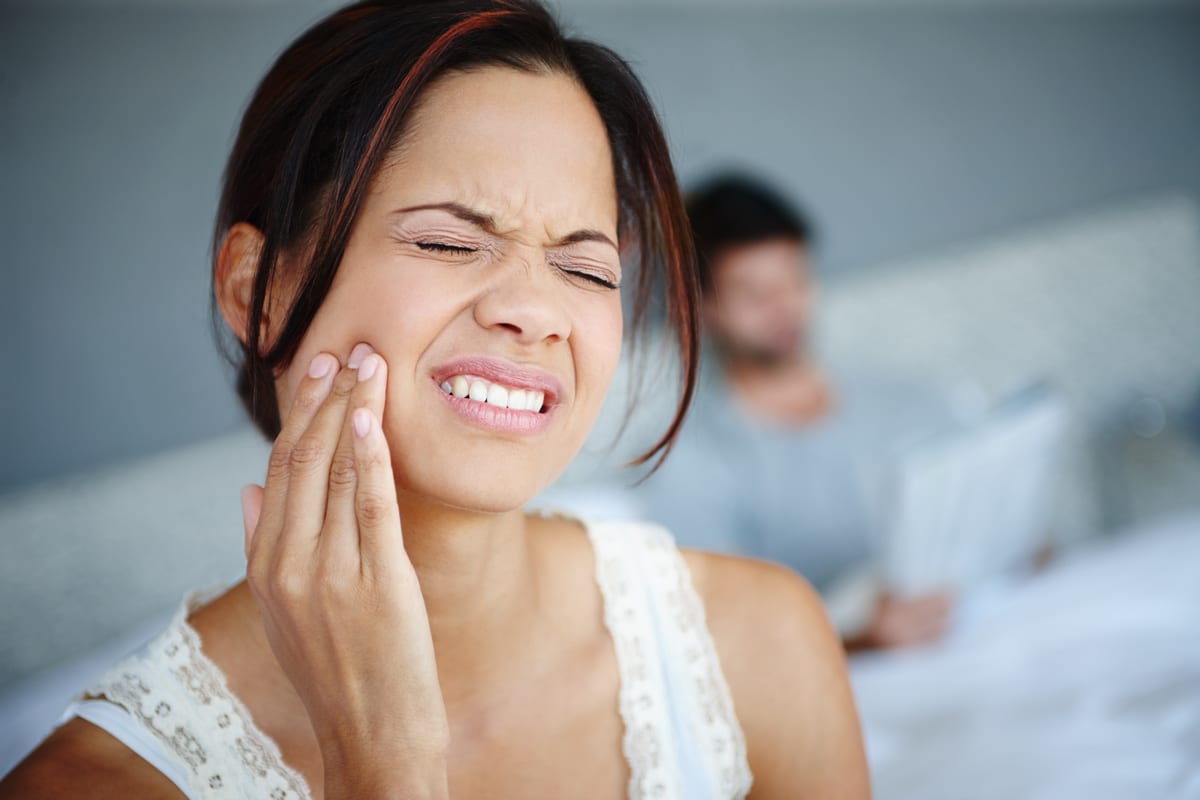
Tooth sensitivity is the most common temporary side effect. Cold or hot foods and drinks may cause brief discomfort during treatment. This typically resolves within a few days after completing whitening.
Gum irritation can occur if whitening gel contacts soft tissues. Custom-fitted trays minimize this risk compared to generic strips. Professional application provides an extra layer of protection.
Overuse of whitening products can damage tooth enamel permanently. Follow product instructions carefully and don’t exceed recommended treatment times. More isn’t better when it comes to whitening frequency.
Certain dental conditions make whitening inappropriate or require special precautions. Exposed tooth roots, cavities, and worn enamel need treatment first. Pregnant or nursing mothers should postpone whitening treatments.
Dr. Forman evaluates your dental health before recommending any whitening approach. This ensures safe treatment tailored to your specific needs and goals.
Making Your Teeth Whitening Decision
Choosing between professional and at-home teeth whitening depends on your unique situation. Both methods can deliver beautiful results when used appropriately. The right choice balances your goals, timeline, and budget.
Professional teeth whitening Palm Springs treatments offer speed and dramatic results. They work best for stubborn stains and tight timelines. The supervised environment maximizes safety and effectiveness.
At-home options provide flexibility and gradual improvement at lower cost. They suit patients with mild staining and time for extended treatment. Custom trays from your dentist bridge the gap between convenience and professional results.
Many patients find combining both approaches delivers the best long-term value. Start with professional whitening for immediate transformation. Maintain your results with periodic at-home touch-ups as needed.
Your smile deserves professional guidance and care. Schedule a consultation to discuss which teeth whitening option fits your needs. Our team serves patients throughout Palm Springs and nearby communities with personalized treatment plans. Learn More about how we can help you.
Frequently Asked Questions
How long do professional teeth whitening results last?
Professional teeth whitening typically lasts 18 to 24 months with proper care. Your habits significantly affect longevity. Avoiding staining foods and beverages, maintaining excellent oral hygiene, and scheduling regular dental cleanings help preserve results. Tobacco use shortens whitening duration considerably. Most patients benefit from touch-up treatments every 12 to 18 months to maintain their brightest smile.
Will teeth whitening damage my enamel?
Teeth whitening performed correctly does not damage enamel when used as directed. Professional treatments use carefully formulated concentrations that safely lighten teeth. Overuse of whitening products or using excessively high concentrations can weaken enamel over time. Following your dentist’s instructions and avoiding excessive whitening protects your teeth. A dental examination before whitening ensures your enamel is healthy enough for treatment.
Why do my teeth feel sensitive after whitening?
Tooth sensitivity after whitening is common and usually temporary. Whitening agents temporarily open pores in tooth enamel, exposing inner layers to temperature changes. This causes brief discomfort with hot or cold foods and drinks. Sensitivity typically resolves within 48 to 72 hours after treatment ends. Using toothpaste for sensitive teeth before and after whitening helps minimize discomfort. Severe or prolonged sensitivity should be discussed with your dentist.
Can everyone use teeth whitening products?
Not everyone is a good candidate for teeth whitening. Pregnant or nursing mothers should postpone treatment. Patients with untreated cavities, gum disease, or extremely sensitive teeth need evaluation first. Whitening doesn’t work on dental restorations like crowns, veneers, or fillings. Very young patients with developing teeth should wait until adulthood. A dental examination determines whether whitening is safe and appropriate for your specific situation.
What causes teeth to become discolored?
Multiple factors cause tooth discoloration over time. External stains develop from foods and drinks like coffee, tea, red wine, and berries. Tobacco use creates stubborn brown or yellow stains. Internal discoloration comes from medications, aging, trauma, or excessive fluoride during tooth development. Genetics influence natural tooth color as well. Understanding your specific type of discoloration helps determine which whitening method will work best for your needs.